Daisy Birth Flower Alphabet: Elegant Clipart for April Projects
April carries a specific kind of energy—it is the bridge between the lingering cool of early spring and the full bloom of summer. For designers and creators, capturing this transitional freshness is often a challenge. You want typography that feels organic and alive, not rigid or sterile. If you are working on branding for a florist, designing invitations for a spring wedding, or creating merchandise for April birthdays, standard block letters simply won’t convey the right message. You need a typeface that mimics the organic beauty of nature itself.
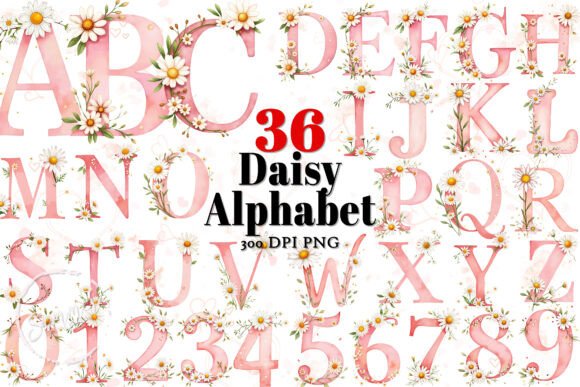
This is where specialized botanical assets come into play. The Daisy Birth Flower Alphabet Clipart offers a unique solution for this aesthetic need. Unlike standard vector fonts where letters are solid colors, these assets function as high-resolution illustrations. Each letter and number is a piece of art in itself, featuring hand-painted watercolor aesthetics. The design centers around the April birth flower—the Daisy—rendered in vibrant pinks with lush greenery accents. This creates a visual language that is immediately recognizable as spring-themed, making it an invaluable tool for seasonal campaigns and personalized design work.
Understanding the Visual Appeal of Watercolor Typography
There is a distinct psychological impact when a viewer sees watercolor textures in design. It suggests authenticity, craftsmanship, and a softer approach compared to the sharp edges of modern digital typography. The specific style of this Daisy alphabet—featuring a delicate pink gradient and orange floral accents—bridges the gap between a display font and an illustration.
From a branding perspective, this texture is vital. If you are a small business owner, specifically in the lifestyle, beauty, or floral sectors, your visual identity needs to evoke emotion. A sans serif font is great for legibility in body text, but it rarely stops a user from scrolling on Instagram or Pinterest. Floral clipart letters, however, act as a visual anchor. They demand attention without being aggressive. The "soft, feminine touch" mentioned in the asset description isn't just about color; it’s about the organic irregularity of the watercolor edges, which makes the digital content feel tangible and human.
Bridging the Gap: From Digital Files to Physical Merchandise
One of the most practical aspects of the Daisy Birth Flower Alphabet Clipart is its versatility across different mediums. Because the files are provided as high-resolution 300 DPI PNGs with transparent backgrounds, they are optimized for both digital and print production.
For those involved in packaging design or merchandise, the large file size (4096x4096 pixels) is a critical feature. This ensures that the intricate details of the watercolor petals and the gradients of the letters do not pixelate when printed on physical goods. Here is how different industries can leverage these assets:
- Sublimation and Apparel: The transparent background allows the letters to be overlaid onto any fabric color or pattern. This is perfect for creating custom t-shirts or tote bags for "April Baby" merchandise lines.
- Home Décor and Wall Art: Interior designers or Etsy sellers can create monogrammed nursery art. Because the aesthetic is soft and botanical, it fits perfectly into the "cottagecore" or "boho" interior design trends currently dominating the market.
- Wedding Stationery: For wedding planners, these letters are ideal for table numbers or bride/groom signage. The pink and green palette is a natural fit for spring nuptials, adding a personalized romantic flair to the event branding.
Strategic Branding and Marketing Applications
While the aesthetic is soft, the application should be strategic. Using a creative font like this requires an understanding of hierarchy and pairing. You generally wouldn't use a heavily decorative floral letter for long-form body copy; the readability would suffer. Instead, this alphabet should be used for headlines, monograms, and focal points.
Consider a social media manager planning a content calendar for April. They could use the Daisy letters to create bold, engaging headers for Instagram Stories or Pinterest pins. Because the visual style is consistent across all 36 characters (A-Z and 0-9), you can spell out any message while maintaining a cohesive brand identity.
Furthermore, for editorial design and blogging, these letters can serve as "drop caps" or featured images for articles about gardening, wellness, or astrology. The key to successful implementation is contrast. Pairing these ornate, floral letters with a clean, legible sans serif font for the body text creates a balanced visual hierarchy. The Daisy letters grab the eye (visual interest), while the sans serif ensures the message is actually read (readability).
Practical Advice for Font Pairing and Integration
Integrating a specialized asset like the Daisy alphabet into a professional workflow requires a bit of planning. Since these are clipart images rather than a standard vector font file (like .OTF or .TTF), you will be using them as graphic elements in software like Photoshop, Illustrator, or Canva.
Here are a few tips for getting the most out of this style:
- Color Coordination: While the letters come with a preset pink and green palette, advanced users can adjust the hue/saturation to match specific brand guidelines. However, be careful not to over-edit; the natural watercolor look is the asset's main selling point.
- Spacing and Kerning: Because these are individual image files, automatic kerning (spacing between letters) won't apply. You will need to manually place each letter. Ensure there is enough negative space so the floral elements don't clash or overlap awkwardly, which can make the text hard to read.
- Commercial Licensing: Before using these in products for sale, always verify the licensing terms. For digital assets like this, most licenses allow for commercial use in end products (like a printed t-shirt), but prohibit reselling the digital files themselves. This distinction is crucial for small business owners building a product line.
Elevating DIY and Personalized Gifts
Beyond commercial branding, there is a massive market for personalized gifts. The Daisy Birth Flower Alphabet is perfectly suited for this niche. Creating a "Happy Birthday" banner or a personalized name sign for an April baby becomes significantly easier when you have high-quality botanical assets ready to use.
The "elegant pink gradient" mentioned in the design description adds a layer of sophistication that standard clipart often lacks. It prevents the design from looking cartoonish, making it suitable for adults as well as children. Whether you are a hobbyist scrapbooking a family memory or a content creator designing a digital planner cover, the visual consistency of having a complete alphabet ensures your project looks polished and intentional.
Ultimately, the value of a specialized design asset lies in its ability to save time while raising the quality of the output. By incorporating these watercolor floral letters, you are not just adding text to a canvas; you are adding a layer of artistry that resonates with the season and the subject matter. It is a practical, beautiful solution for anyone looking to infuse their designs with the timeless charm of spring.