The Organic Allure of Hand-Drawn Flowers and Leaves in Design
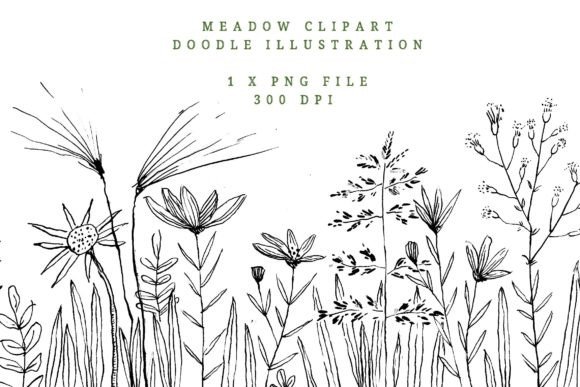
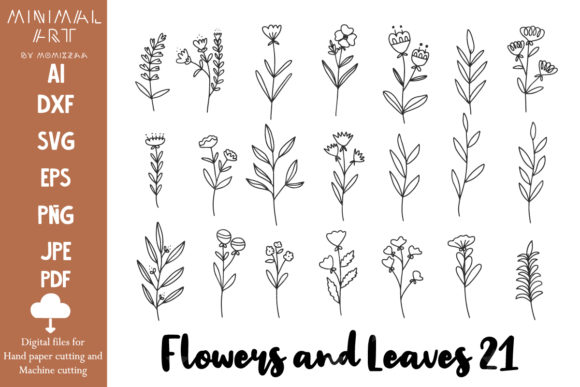
There’s something undeniably magnetic about a design that feels personal and crafted by hand. In a landscape often dominated by sleek, digital precision, the organic, slightly imperfect lines of hand-drawn botanical elements offer a breath of fresh air. They introduce a layer of warmth, authenticity, and timeless elegance that can transform any project from ordinary to memorable. This collection of hand-drawn flowers and leaves is a perfect example, offering a versatile toolkit for creators who want to infuse their work with natural beauty and a human touch.
More Than Just Pretty Pictures: The Strategic Use of Botanical Elements
While these illustrations are visually stunning, their true power lies in their strategic application. They are not merely decorative accents; they are functional design assets that can solve specific creative and branding challenges. For a small business owner, incorporating these hand-drawn elements into packaging or a logo can immediately communicate a brand story centered on craftsmanship, nature, or artisanal quality. The slight imperfections signal that a real person was involved, fostering a deeper connection with the audience.
Consider the difference between a generic, computer-generated leaf and one from this set. The latter has character. It can be used to frame a quote on social media, creating an Instagram post that feels curated and intentional. On a website, a subtle floral border drawn from these assets can guide the eye and soften a layout, making the digital experience feel more approachable. For bloggers and content creators, these elements are invaluable for creating consistent, branded graphics for pins, headers, and featured images that stand out in a crowded feed.
From Digital Canvas to Physical Product: Practical Applications
The included file formats—AI, EPS, SVG, DXF, PDF, JPG, and PNG—ensure these botanical illustrations are ready for virtually any medium. This flexibility is crucial for modern creators who work across both digital and physical spaces. The vector formats (SVG, AI, EPS) are perfect for scaling to any size without losing quality, making them ideal for large-format prints like posters or banners. They can be easily customized in Adobe Illustrator, allowing you to change colors, combine elements, or adjust compositions to fit your exact vision.
For crafters and makers, the possibilities are particularly exciting. The SVG and DXF files are specifically optimized for cutting machines like Cricut and Silhouette. Imagine creating intricate vinyl decals for mugs or jars, custom iron-on designs for t-shirts, or delicate paper cutouts for scrapbooking and card making. The transparent PNG files are ready to drop into any design software, perfect for creating wedding invitations, thank you cards, or elegant stationery suites. Each of the 21 unique designs offers a new creative opportunity, from bold floral statements to delicate, leafy accents.
Building a Cohesive Visual Identity with a Curated Asset Kit
One of the biggest challenges in building a brand is maintaining visual consistency across all touchpoints. A cohesive look builds recognition and trust. This is where a well-curated set of design assets like these hand-drawn flowers and leaves becomes a strategic advantage. By using the same illustrative style across your website, social media, business cards, and product packaging, you create a unified aesthetic that is instantly recognizable as yours.
Think of this collection as a core component of your brand's visual toolkit. The consistent hand-drawn style ensures that all your materials feel related, even if you use different specific flowers or leaves for different applications. This approach allows for variety within a cohesive framework. A florist could use a bold peony for their logo, a delicate vine pattern for their website background, and a simple leaf accent for their social media icons—all sourced from this single set to maintain a harmonious look.
Key Considerations for Effective Implementation
To get the most out of any premium design asset, a thoughtful approach is necessary. Here are some practical tips for integrating these botanical elements seamlessly into your work:
- Match the Element to the Mood: Consider the emotion you want to convey. A dense, intricate floral arrangement might suit a luxury wedding brand, while a single, clean leaf could be perfect for a minimalist wellness blog. Let the project's goal guide your selection.
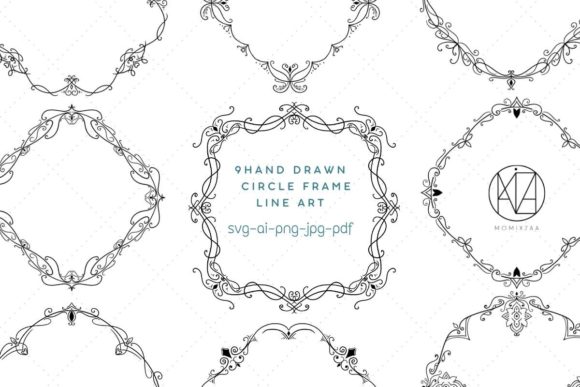
- Layer and Compose: Don't just use the illustrations as isolated stamps. Experiment with layering them behind text, using them as subtle textures, or combining several elements to create custom frames and borders. The vector files make this kind of experimentation easy and non-destructive.
- Consider Color and Contrast: The black-and-white nature of these drawings makes them incredibly versatile. You can easily change the color to match your brand palette. Ensure there is sufficient contrast between the element and its background, especially when used behind text, to maintain readability.
- Respect the License: This is a digital download with a commercial license, allowing you to use the designs in products you sell. However, it's always good practice to review the specific terms. The key point is that you cannot resell the digital files themselves as a standalone product.
- Test in Context: Always view your designs at scale and in their intended environment. A floral frame that looks perfect on your computer screen might need adjustments when printed on a small business card or viewed on a mobile device.
Ultimately, the value of a resource like this lies in its ability to spark creativity and solve practical design problems. By offering a blend of artistic charm and technical versatility, these hand-drawn flowers and leaves empower you to create work that is not only beautiful but also strategically sound and deeply engaging for your audience. They are a bridge between the warmth of the handmade and the precision of digital design.